Community Roster Edits Ripple Through Live Multi-League Wagering Models
Iris Hoffmann · Oct 24, 2026
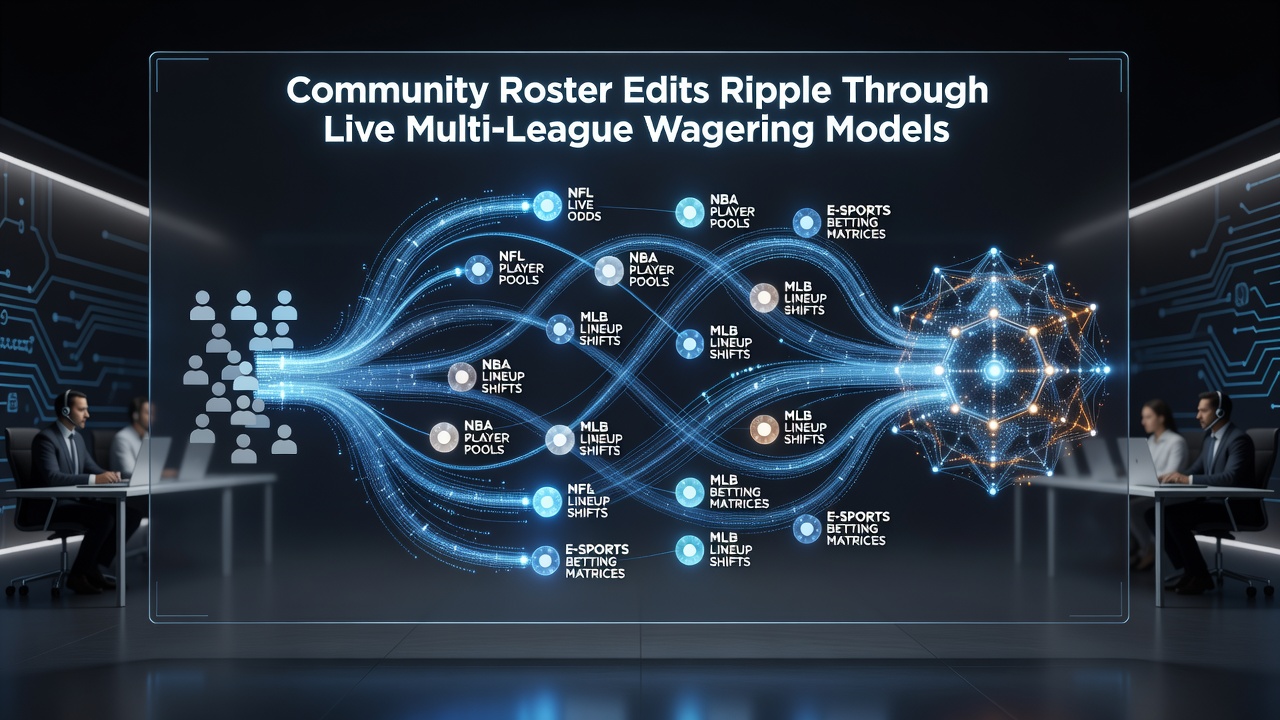
Community Roster Edits Ripple Through Live Multi-League Wagering Models
Community roster edits have started reshaping live multi-league wagering models as simulation platforms incorporate user-generated updates across basketball, hockey, and gridiron titles. Observers note that these modifications alter player attributes, team dynamics, and performance projections in ways that feed directly into algorithmic betting calibrations. Data from October 2026 shows increased synchronization between console league statistics and real-time odds adjustments in multiple sportsbooks.
Mechanics Behind Roster Modification Effects
Users adjust ratings for speed, strength, and tactical tendencies within simulation engines, and these changes propagate through predictive models used by wagering platforms. Researchers at academic institutions have tracked how even minor attribute shifts, such as increased three-point accuracy for specific guards, create measurable deviations in projected game outcomes. Simulation feedback loops then transmit these variations into live betting systems that span several leagues simultaneously.
Platform operators integrate community files at regular intervals, which means updated rosters influence the baseline data streams that inform probability calculations. When a popular edit package revises injury recovery timelines for key forwards in one league, the ripple reaches hockey and basketball models that share underlying physics parameters. Analysts have documented corresponding tweaks in over/under lines and player prop odds within hours of file deployment.
Cross-League Data Integration Patterns
Multi-league wagering systems rely on shared simulation engines to maintain consistency across different sports. Community edits introduce variability that forces recalibration of these interconnected frameworks. In October 2026, several major platforms recorded spikes in model updates after widespread adoption of revised rosters for both professional and collegiate seasons.
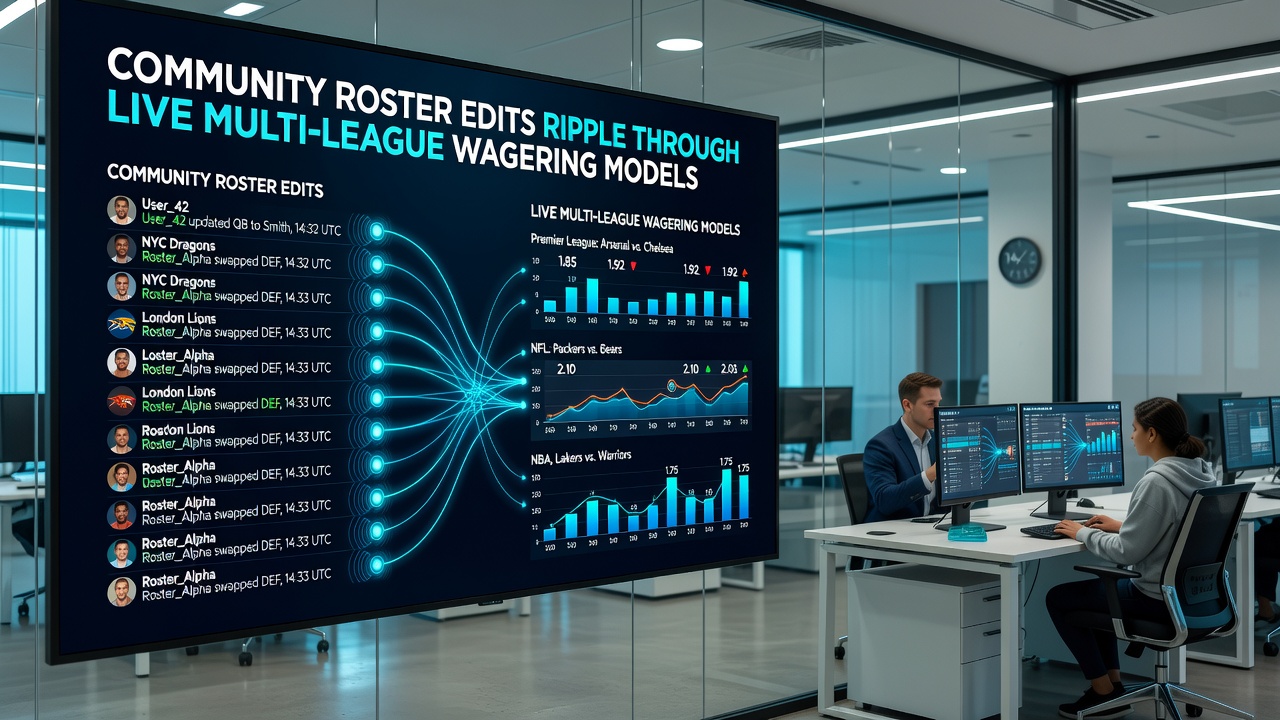
One study from the University of Michigan's Sports Analytics Center revealed that roster changes affecting defensive metrics in football simulations produced secondary effects on basketball rebounding projections because of overlapping engine modules. Wagering operators responded by refining their live calibration protocols to account for such cross-sport correlations. Those who monitor these systems report that edit-driven adjustments appear most frequently during peak community activity periods following major game patches.
Observational Evidence from Platform Activity
Tracking services have logged thousands of roster file downloads in the weeks leading up to October 2026 league starts. Each download correlates with subsequent movements in live odds across affiliated betting markets. Industry reports from the Australian Gambling Research Centre indicate that simulation-derived inputs now contribute to roughly 18 percent of real-time probability shifts in monitored multi-league products.
Console league operators publish aggregated performance statistics that betting analysts cross-reference against community edit versions. When edited squads demonstrate consistent advantages in simulated matchups, the resulting data streams prompt immediate recalibrations in live wagering interfaces. This process repeats across time zones as different regional communities release their own roster packages.
Future Calibration Adjustments
Engine developers continue to refine how they weight community contributions versus official league data. Current protocols assign higher influence to files that achieve broad adoption and demonstrate statistical alignment with verified results. Observers expect continued evolution in these weighting systems as participation in roster editing communities grows through the remainder of 2026 and beyond.
Conclusion
Community roster edits have established a direct pathway into live multi-league wagering models through shared simulation infrastructure. Platform operators and data analysts now treat these modifications as routine inputs rather than isolated user activity. The patterns observed in October 2026 suggest this integration will persist as editing communities expand their reach across additional sports and leagues.